Capstone Batteries
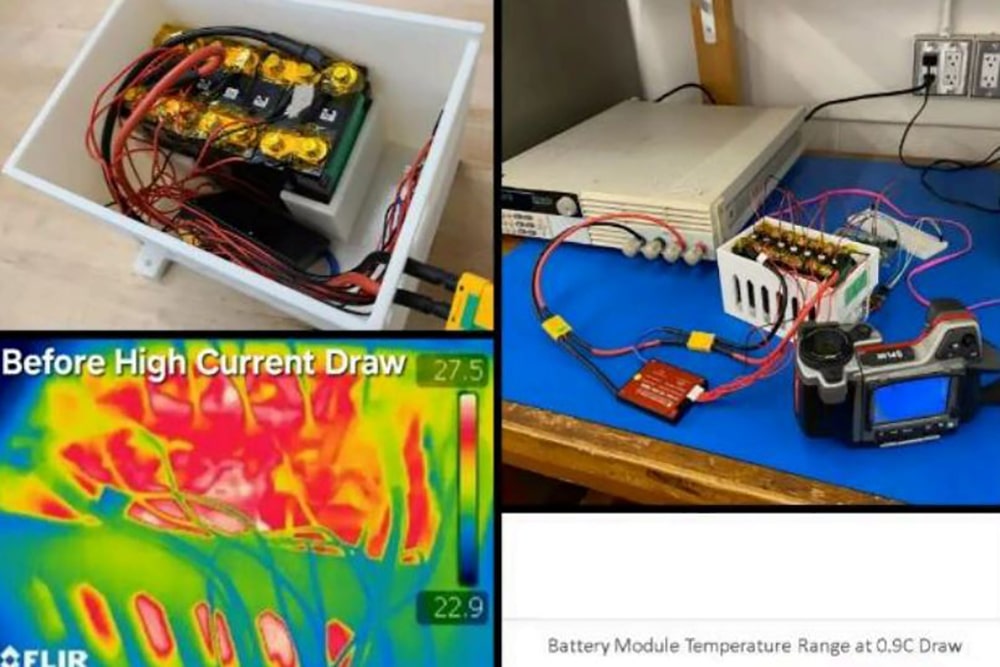
I contributed to the development of a high speed Hyperloop pod by designing and testing a 288 V lithium titanate battery system capable of continuous high current operation. Through detailed charge

My name is Andres Cervera Rozo, and welcome to my portfolio. I completed my Bachelor’s in Mechanical Engineering with High Honours and went on to earn a Master of Engineering in Robotics from the University of Toronto in 2024. I’m currently based in Perth, Australia, and my passion lies in bringing together the various domains of engineering design to develop autonomous systems.
My approach to engineering is holistic. I believe the most effective solutions come from combining insights across robotics, data science, machine learning, electrical systems, and mechanical design. I’m especially driven by the challenge of creating autonomous robots that operate seamlessly across air, land, and sea, contributing to every stage from electromechanical design to the deep learning algorithms that power them. Read More

I contributed to the development of a high speed Hyperloop pod by designing and testing a 288 V lithium titanate battery system capable of continuous high current operation. Through detailed charge


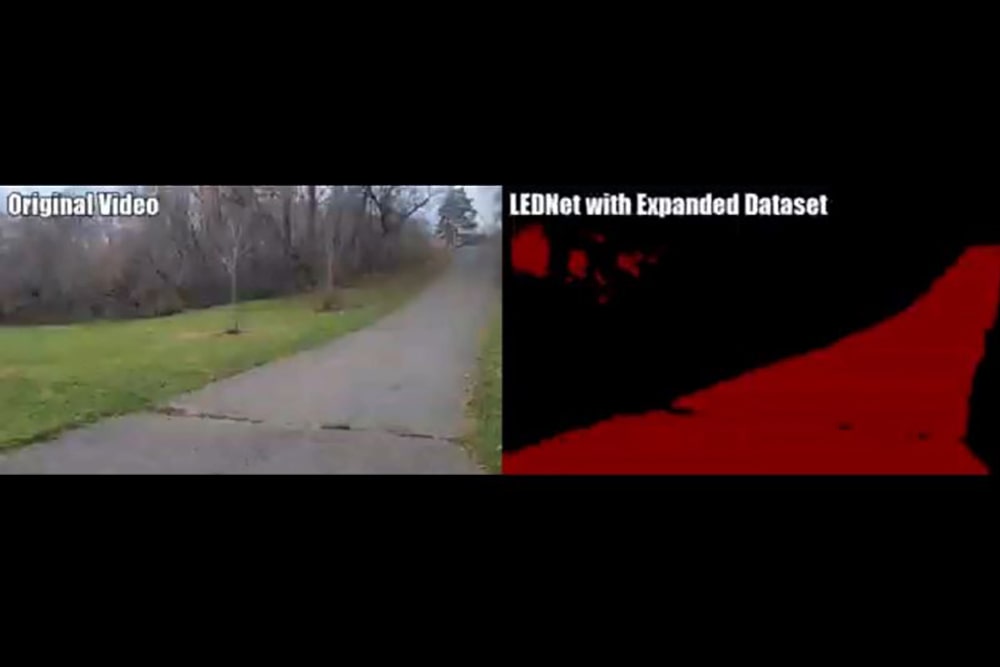
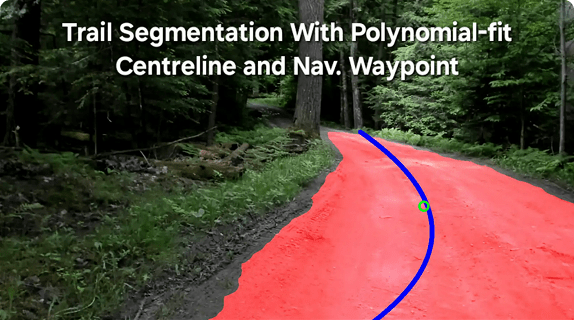
I trained a convolutional neural network for semantic segmentation using a large, custom labeled dataset of outdoor trail images to teach a robot how to recognize and follow paths across diverse terrains. Throug

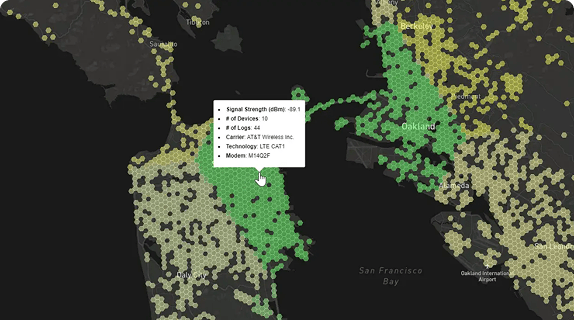
At Geotab, I analyzed global vehicle telemetry data to uncover patterns in cellular signal performance across millions of connected vehicles. Using SQL and Mapbox, I built interactive visualizations that reveale
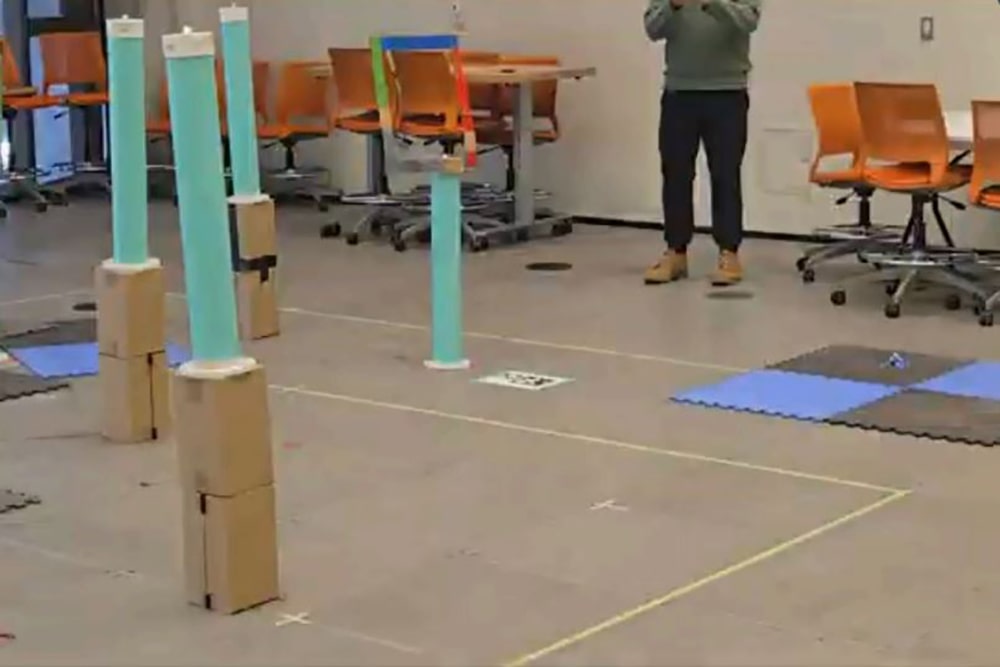
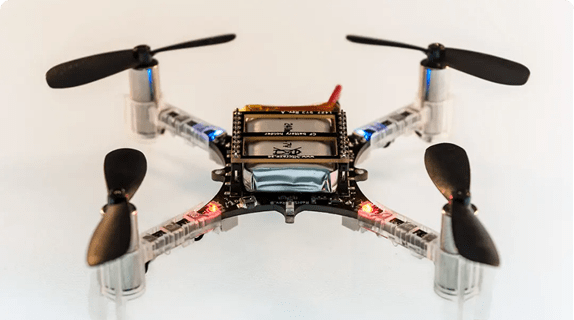
I built an autonomous drone racing system that plans and flies optimal 3D paths through randomized gates in real time. Using RRT* and a custom trajectory optimizer, it handled uncertainty and transferred
This field showcases projects that integrate perception, localization, and motion planning to build intelligent autonomous robots capable of navigating complex environments. The work combines computer vision, probabilistic mapping, and real time control to demonstrate cohesive, full stack robotic systems.
These projects focus on visual understanding for robotics, including semantic segmentation, stereo vision mapping, and 3D point cloud processing. The work bridges deep learning with classical geometry to enable robots to interpret and act on visual data in real world conditions.
This section highlights aerial autonomy through simulation and real world experimentation. Projects include quadrotor modeling and control as well as autonomous drone racing using optimized 3D motion planning algorithms validated in physical flight.
Localization projects emphasize accurate state estimation through sensor fusion, probabilistic filtering, and visual odometry. From LiDAR based SLAM to stereo vision pose tracking, these systems demonstrate how robots maintain situational awareness in dynamic
environments.
These works explore how robots plan safe and efficient paths through space, from heuristic-driven exploration and manipulator trajectory optimization to RRT based path planners. They illustrate the trade off between computation speed and path optimality in
autonomous navigation.
This category reflects the software backbone of all projects, spanning Python, C++, MATLAB, and SQL implementations. The work focuses on writing efficient, scalable code for data analysis, algorithmic control, and robotic integration.
Data science projects demonstrate large scale analysis of real world telemetry, using SQL, Python, and cloud tools to uncover patterns in geospatial and sensor data. These insights inform hardware optimization, connectivity planning, and environmental monitoring systems.
This section presents deep learning work across vision, language, and control domains. Projects include Transformer based translation, trail segmentation for robots, reinforcement learning for control, and CNN based image classification.
This category covers the design, prototyping, and integration of electronics for autonomous systems. Projects combine PCB design, microcontroller programming, and system level testing to ensure robust and reliable embedded performance.
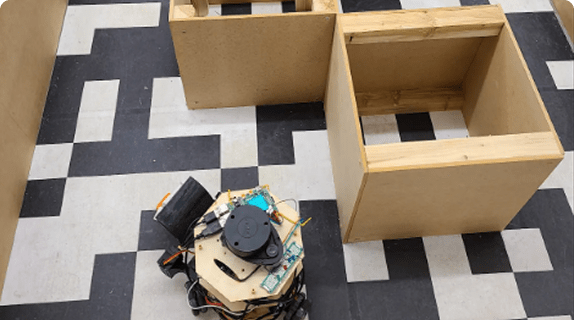
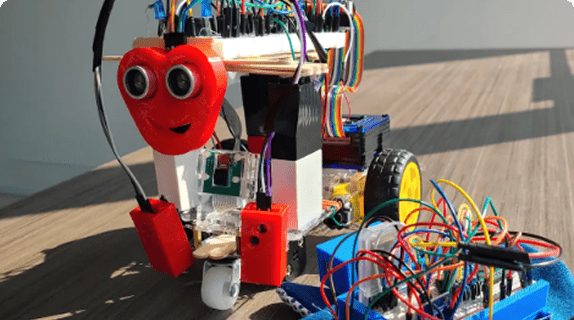
These projects merge hardware and software through hands on embedded development, including gesture controlled robots, maze navigating platforms, and secure sensor based systems. Each prototype showcases real time communication, control, and custom 3D printed design.
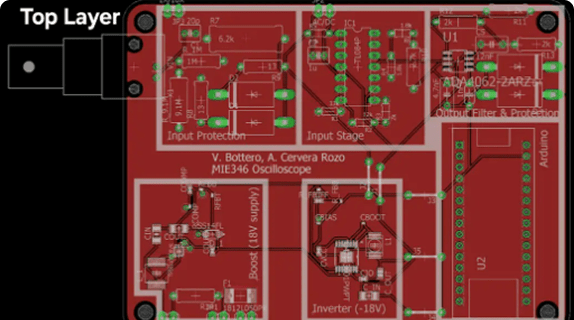
This area focuses on the electrical backbone of high performance systems, including battery module testing, analog circuit design, and PCB assembly. The work demonstrates expertise in power electronics, instrumentation, and embedded monitoring.
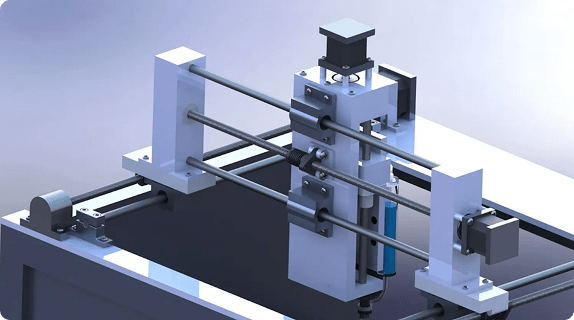
Mechanical projects emphasize design, analysis, and simulation using tools such as SolidWorks, ANSYS, and MATLAB. From CNC mill design to solar tower optimization and finite element stress studies, they highlight precision engineering and structural insight.
I specialize in developing intelligent robotic systems that integrate perception, mapping, and control using , Python, C++, and tools like , SQL, and tools like ROS/ROS2 PyTorch OpenCV. My experience spans deep learning and SLAM development, hands on prototyping of physical mechatronic systems, and mechanical design and simulation in SolidWorks, Ansys, and Gazebo.Lorem ipsum dolor sit amet, consectetur adipiscing elit. Ut elit tellus, luctus nec ullamcorper mattis, pulvinar dapibus leo.